Care and Artmaking within Neurodivergent Families
Sophie and her son Fred (Hi) were invited by The Care Lab, at Manchester University and The Whitworth Gallery, to design a creative project for neurodivergent families. Together, we hosted a series of playful, family-centred workshops exploring the question: What if the ways neurodivergent families care for each other every day could become collaborative artworks?
Over 6 workshops participant families were introduced to some of our work and practice-research methods. These included: making things happen quickly, sharing the things we love, and making up games to deal with the rubbish stuff that neurodivergent kids experience. The aim was to encourage participants to seize upon specific, unique and perhaps unusual everyday activities and care practices from their own lives, which were then framed, tweaked, altered, elevated and made special as artistic outcomes.
So, what did we get up to? Loads! From sculpting sandy masterpieces and dancing to our favourite songs, to making music, treasure hunts, spa treatments, feeding birds, playing football, and a red lentil scavenger hunt. The activities focused on the joys, challenges, injustices (Down with Homework!) and care practices of the everyday. The sensory and outdoor activities were the most popular. For children who are sensory-seeking and sensory-sensitive, these activities became gentle anchors, helping them tune into calming sensations and tune out the overwhelming, fizzy, intense world around them. In a way, the activities themselves became a form of care: nurturing playfulness and artistic expression.
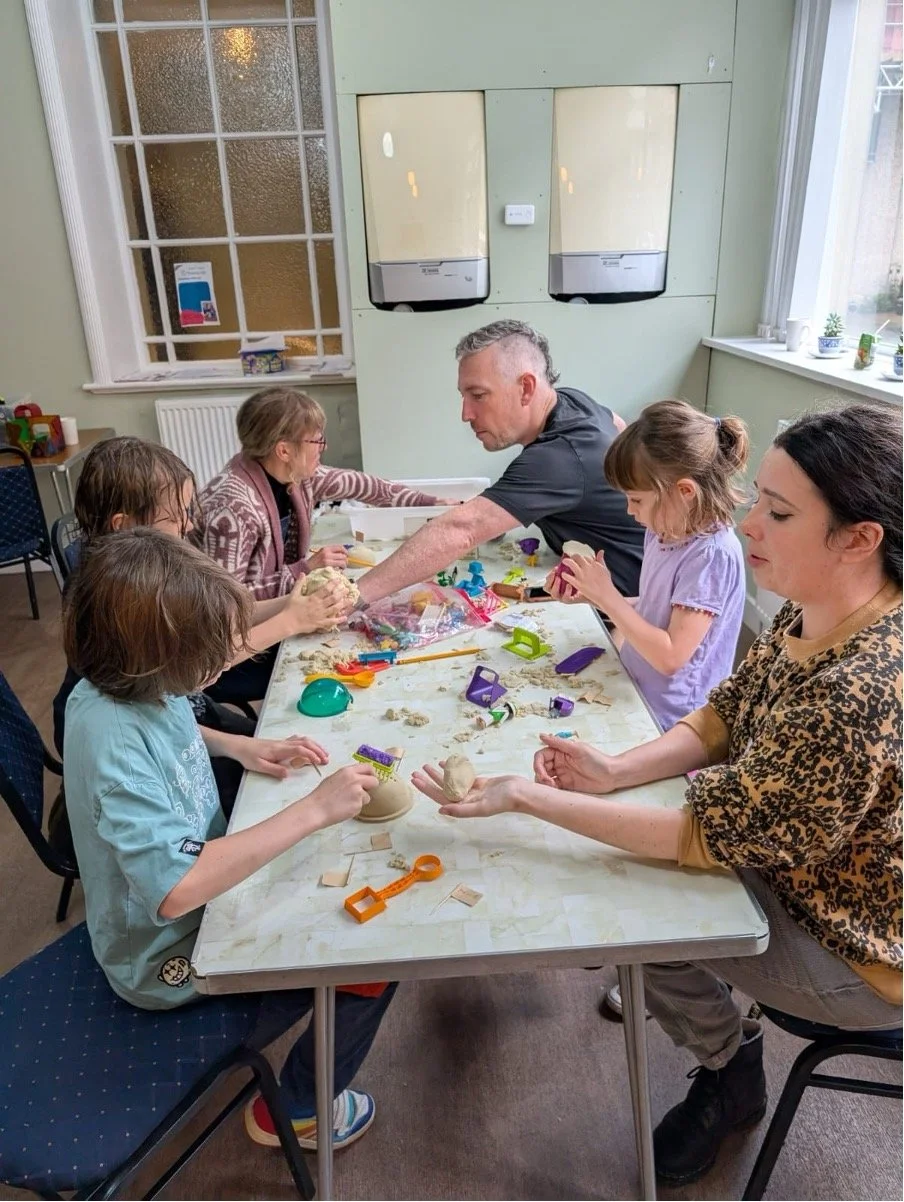
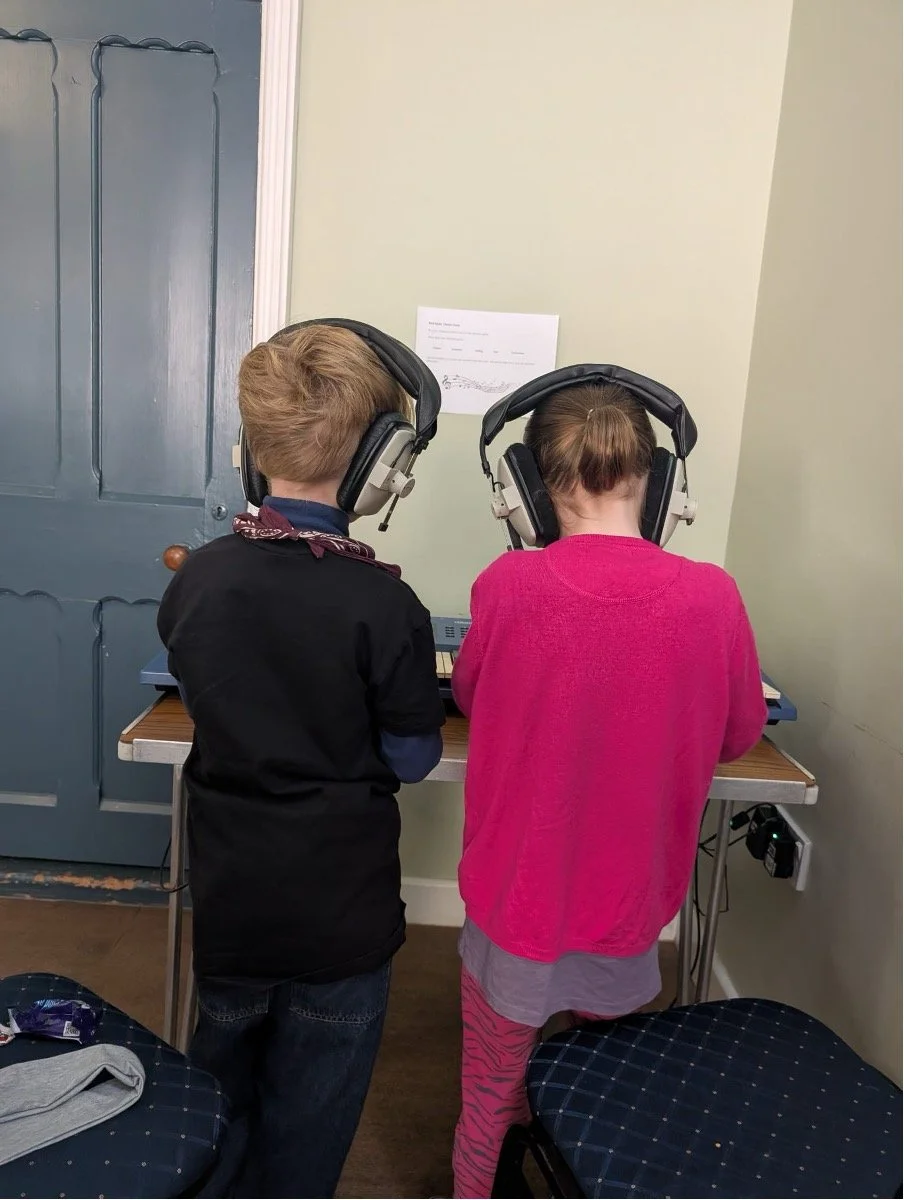
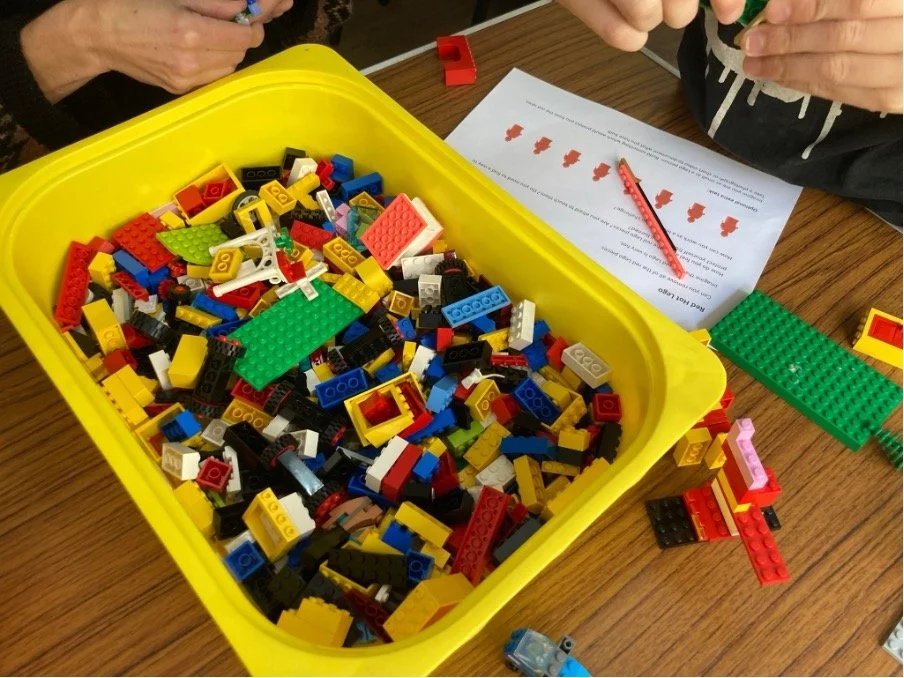
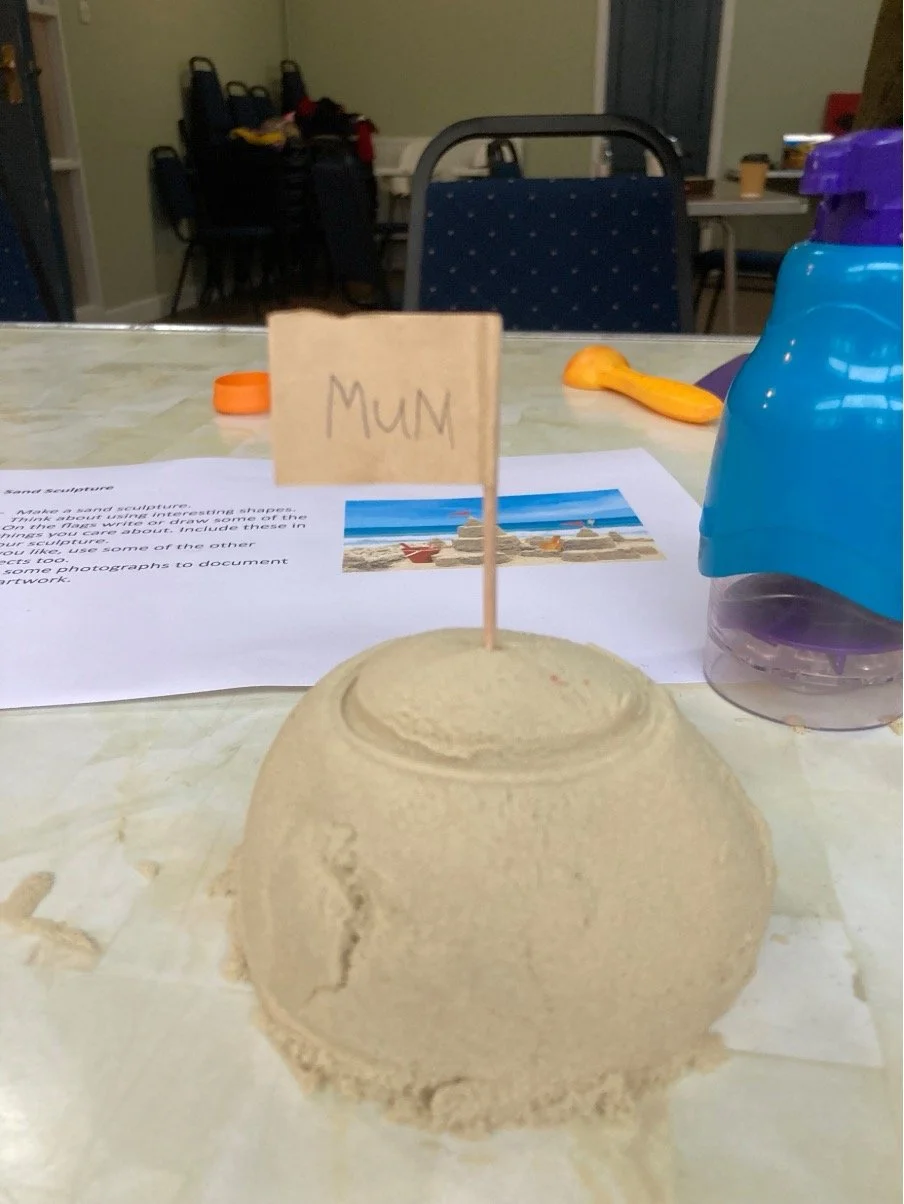
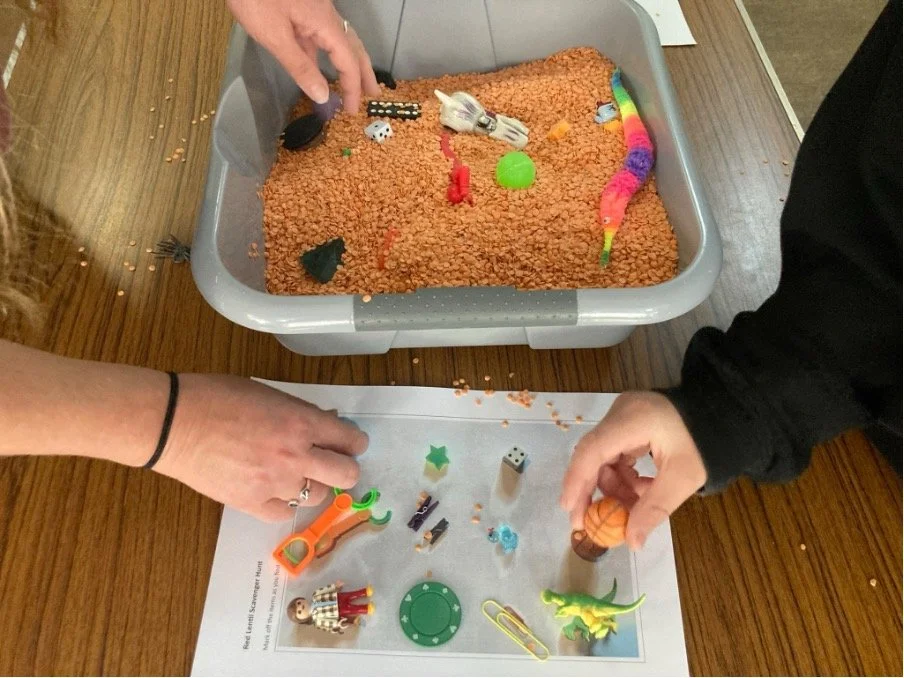
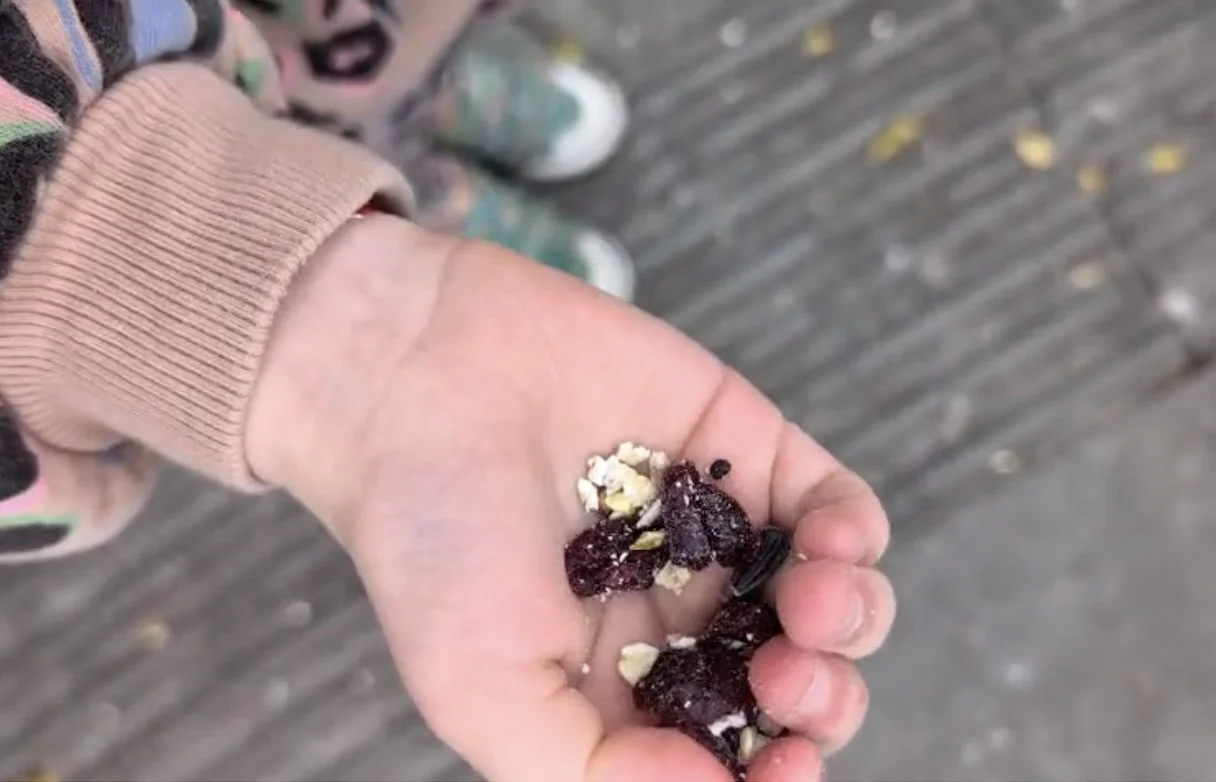
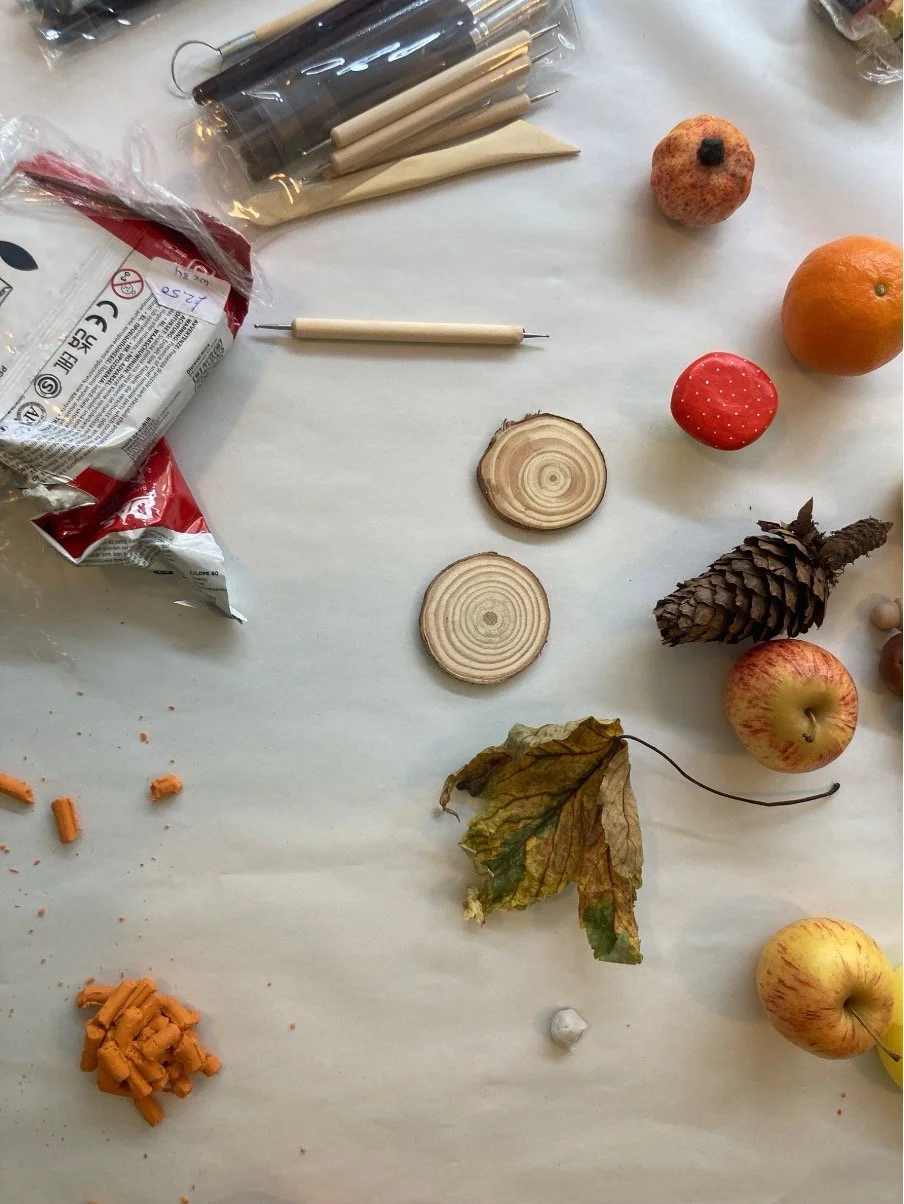
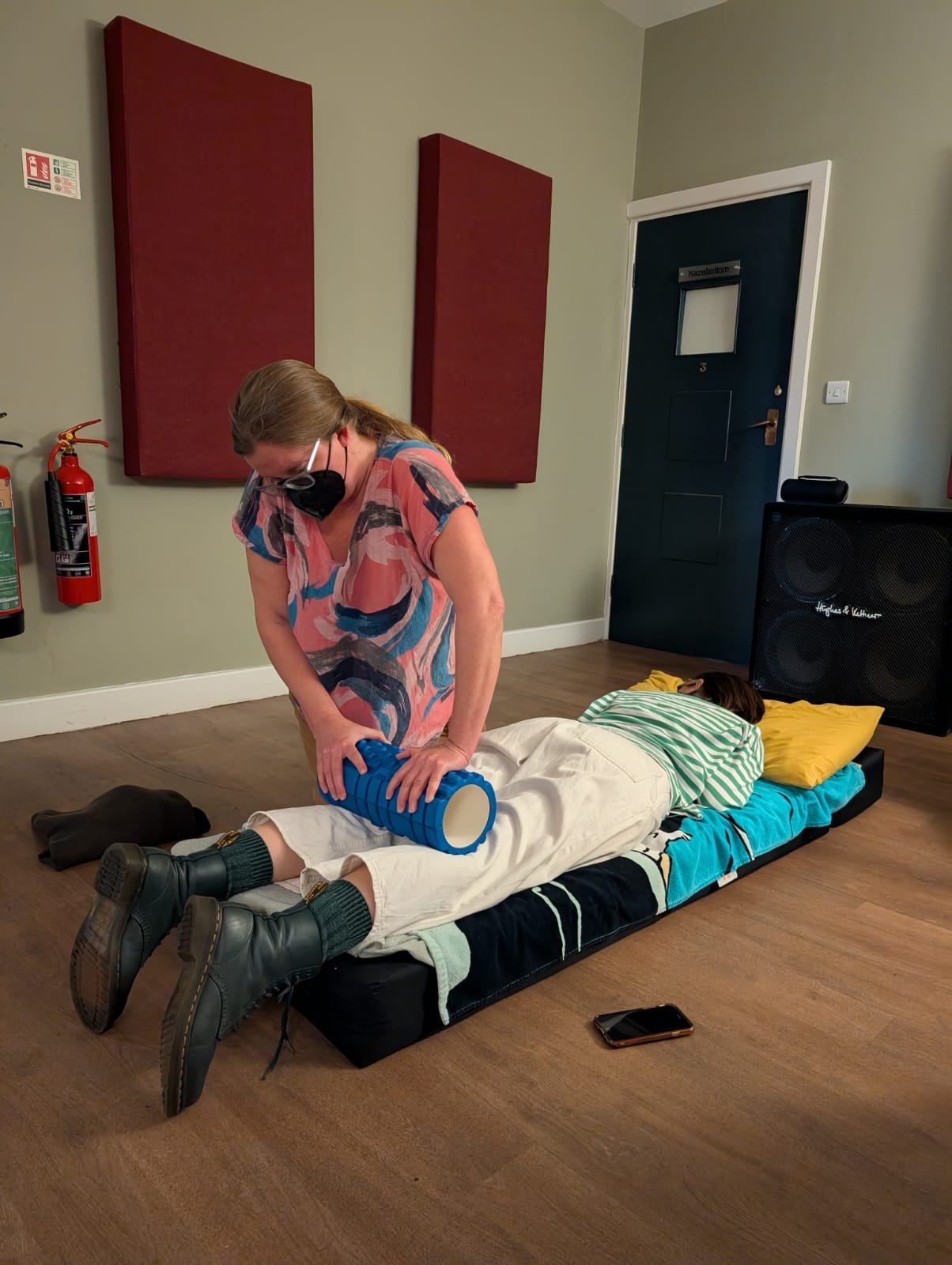
Care was central to the entire process: from thinking about how the workshop space was designed, to providing children with their favourite snack, soft starts, a low-demand, low-pressure environment, chill out zones, and loads of different activities so people didn’t get bored. One parent commented: “It’s really good to recognise how much we actually do for/with our kids. I really thought I didn’t do anything creative with my kids before this project”.
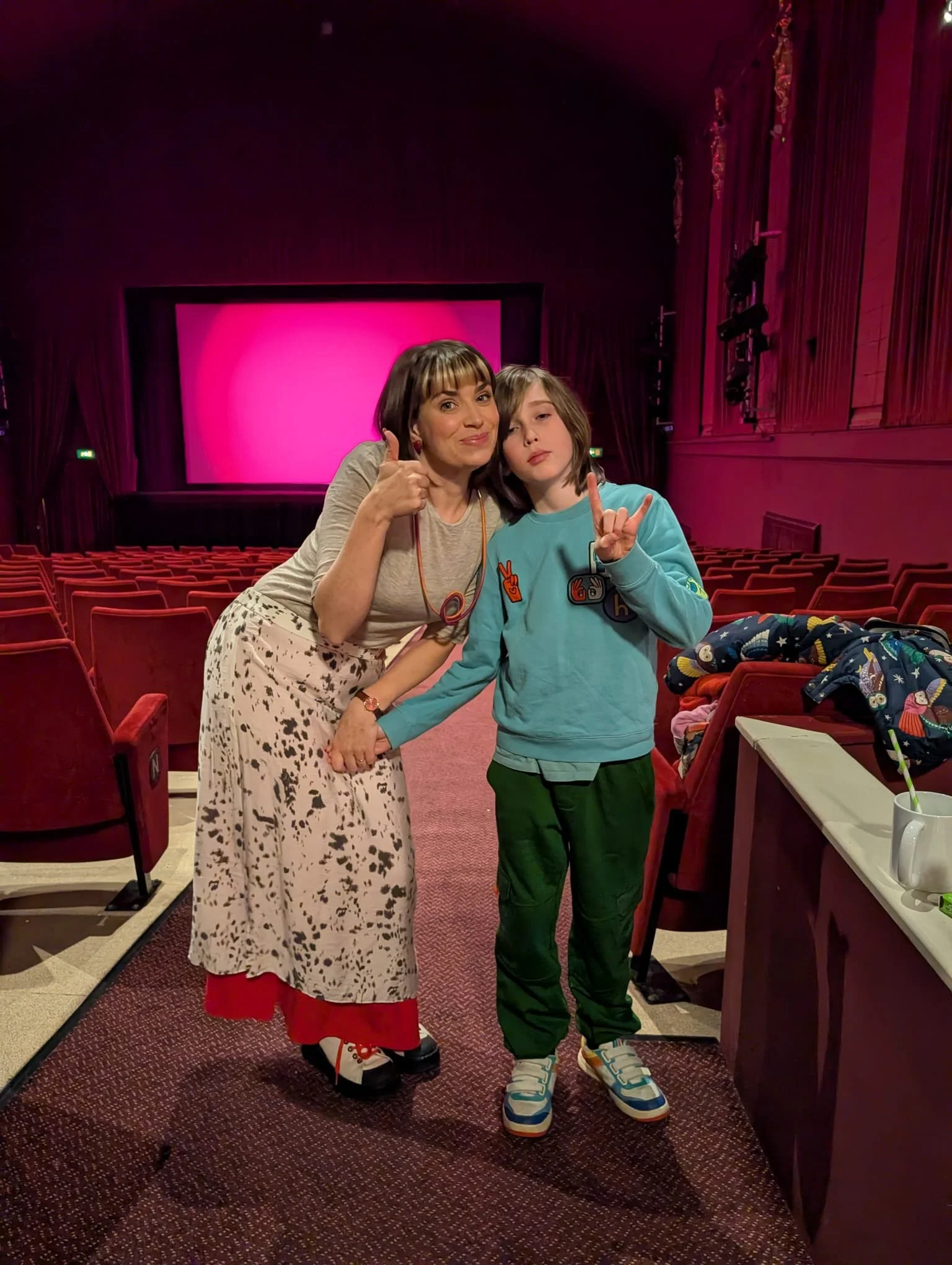
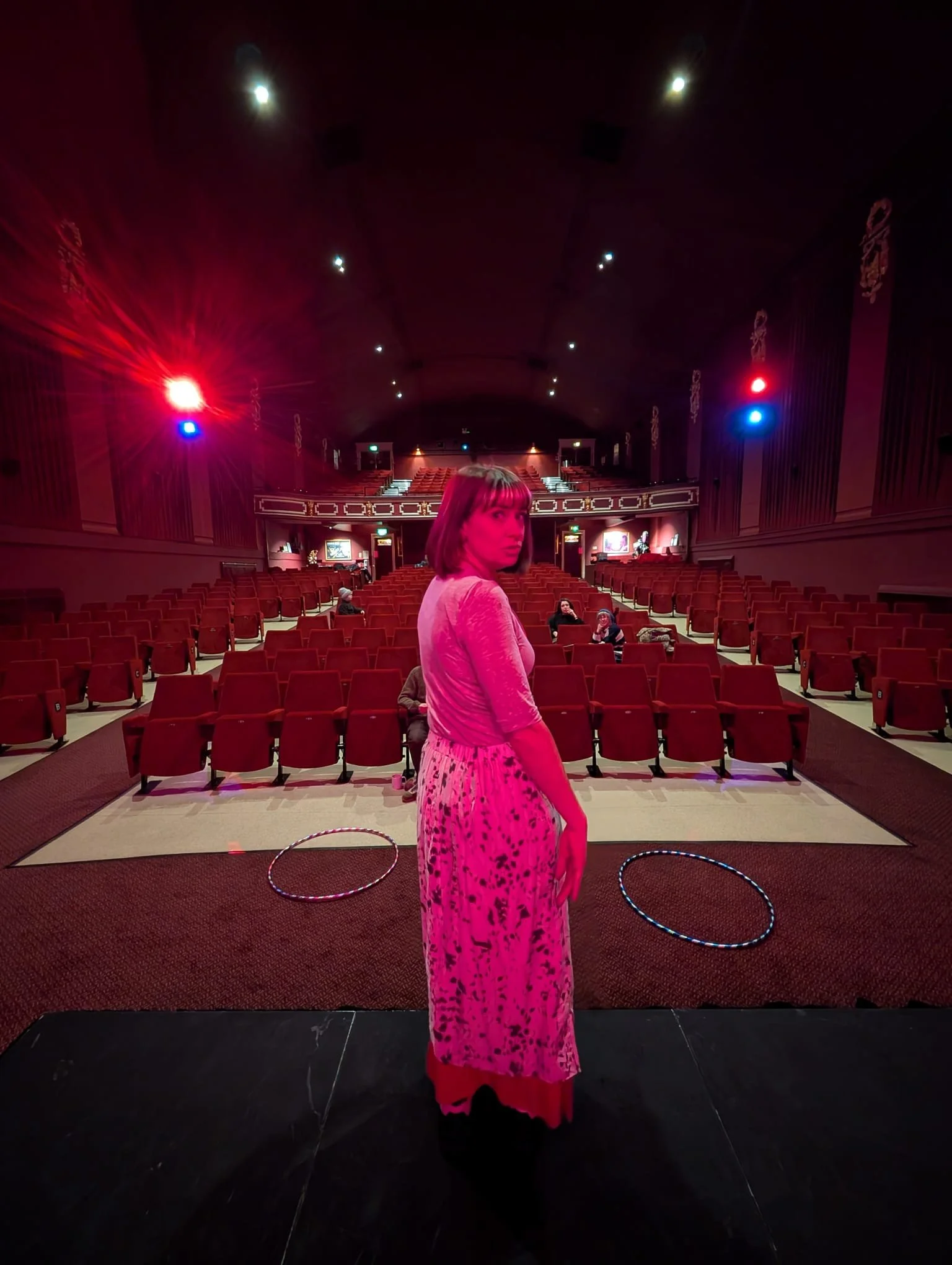
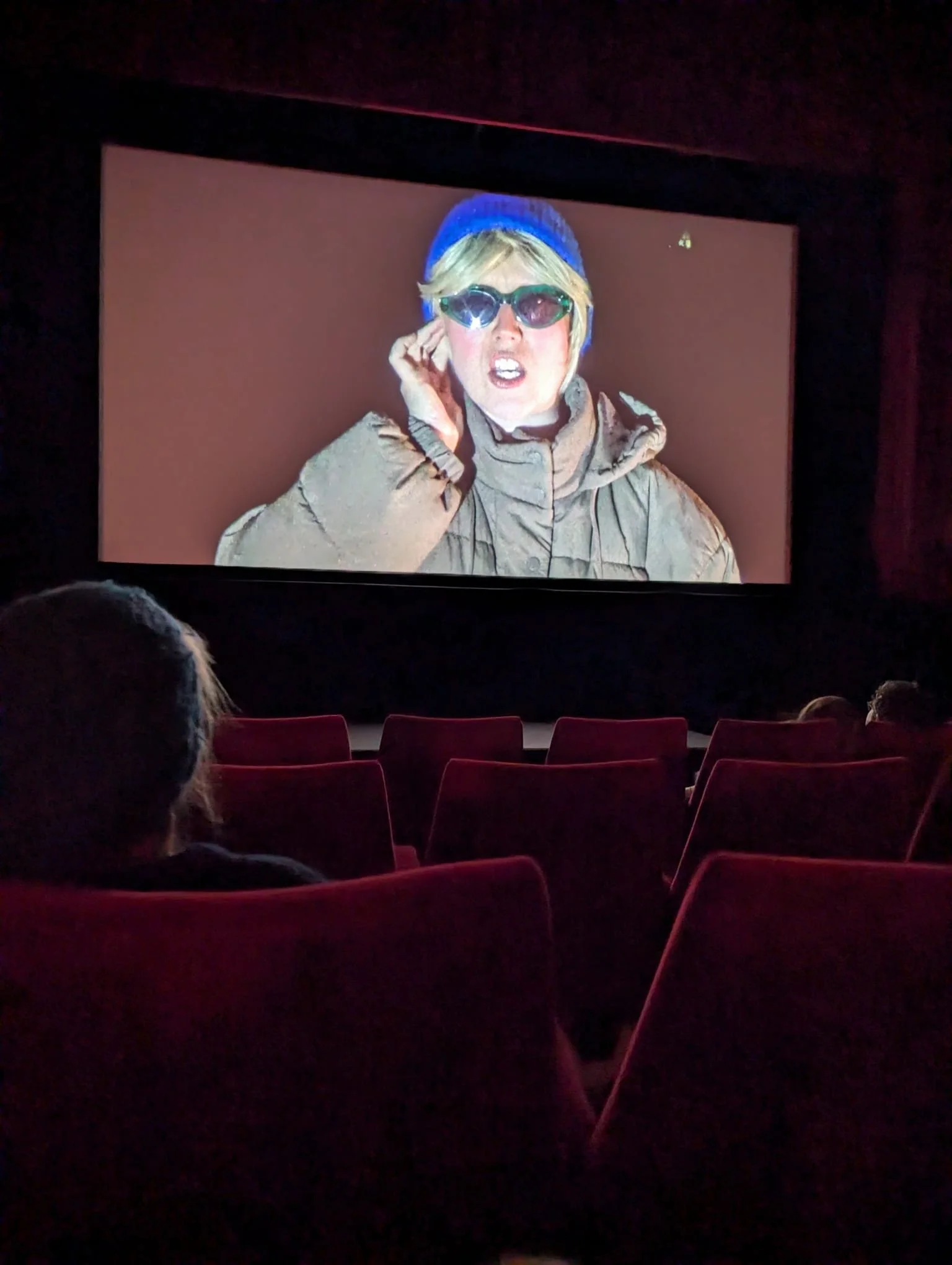
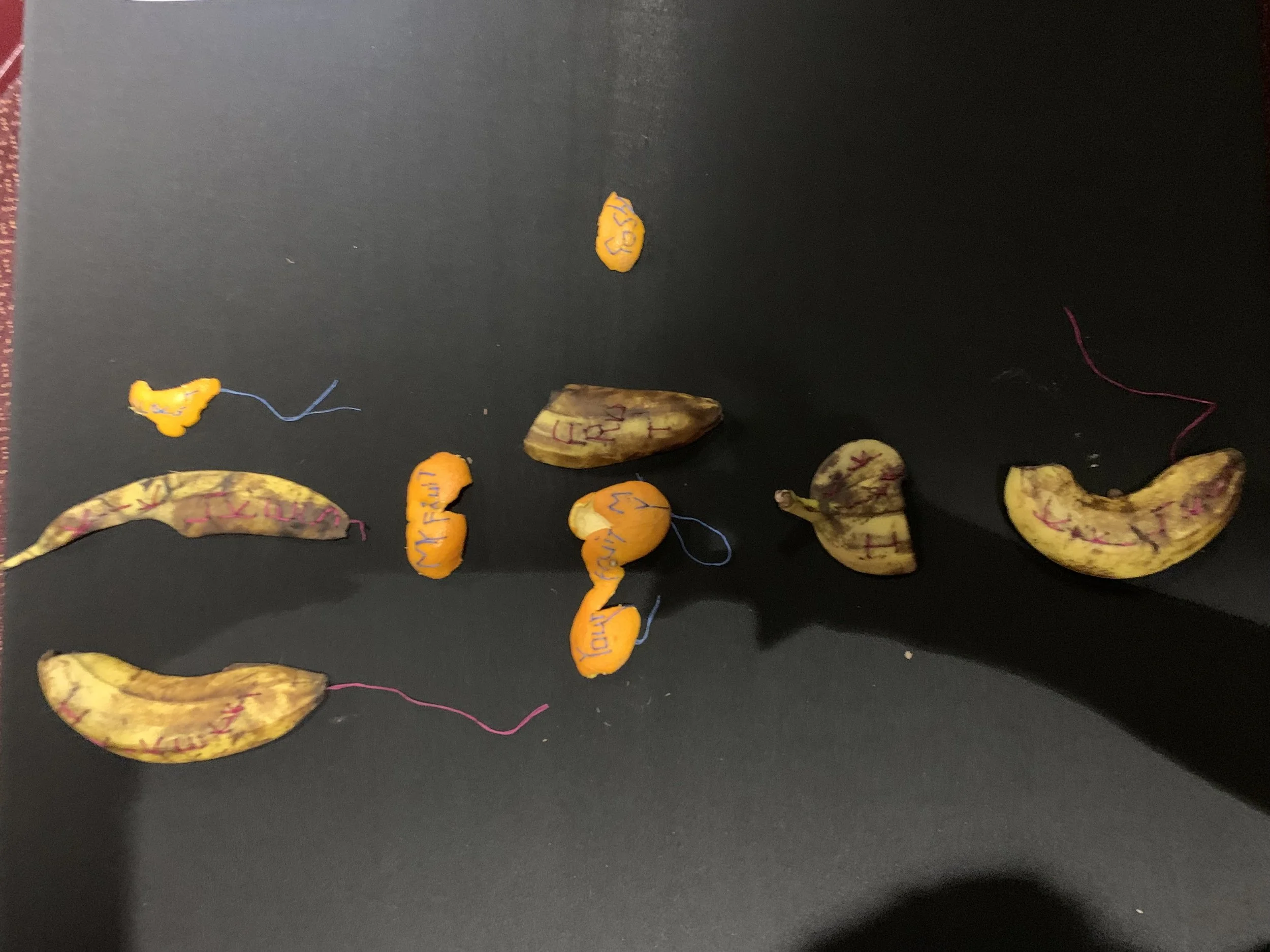
The artistic offerings produced as part of the process took different forms: video works, performances, visual art, games, walks. The final sharing of work was a celebratory yet low-key event. A number of the families produced short films and so we hired our local cinema because it made it more professional, a bit magical even. Visual artworks were also displayed including a very fun treasure hunt for embroidered fruit peel. And crucially, this was really just for us, the families, who had, as one parent put it: “created a lovely sense of community over the weeks.” It was not about creating a show for public appreciation, that would have been too overwhelming and maybe a bit embarrassing for many of the children involved, it was about sharing, and making the occasion special for the community which had been created.
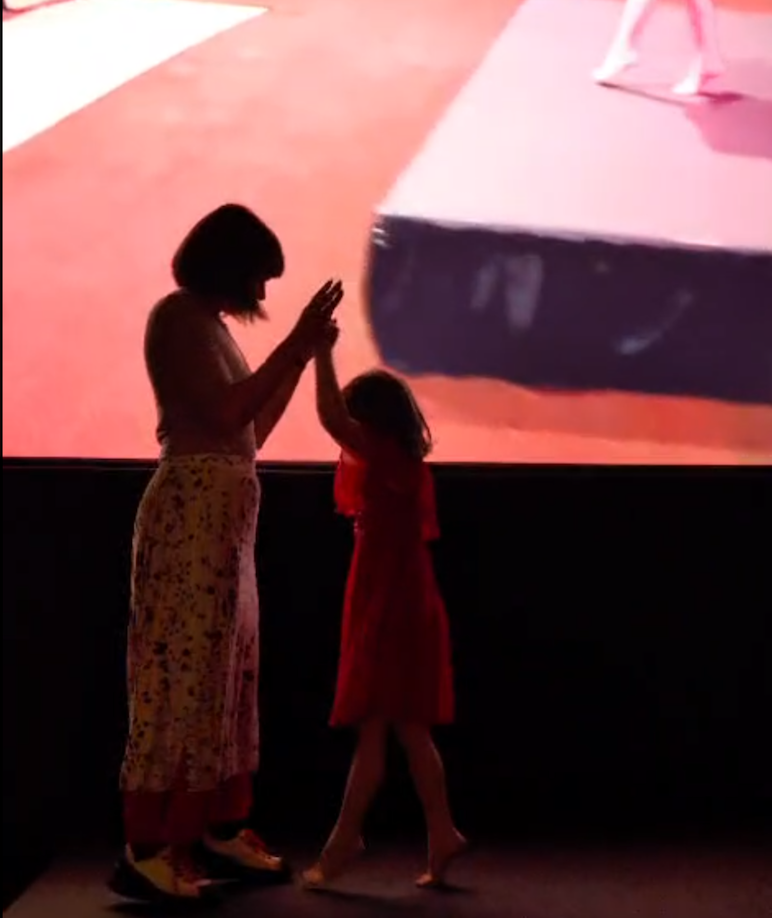
“I loved it so much. I was scared at first, but when I was doing it I felt so proud of myself." (Dot, aged 7, on her experience of dancing to It’s Oh So Quiet)
With the participants’ permission (although some have decided they would prefer to keep their work private), we have chosen to share here some writing about the work they created. These works articulate, in different ways, how care and creativity intersect within these families.
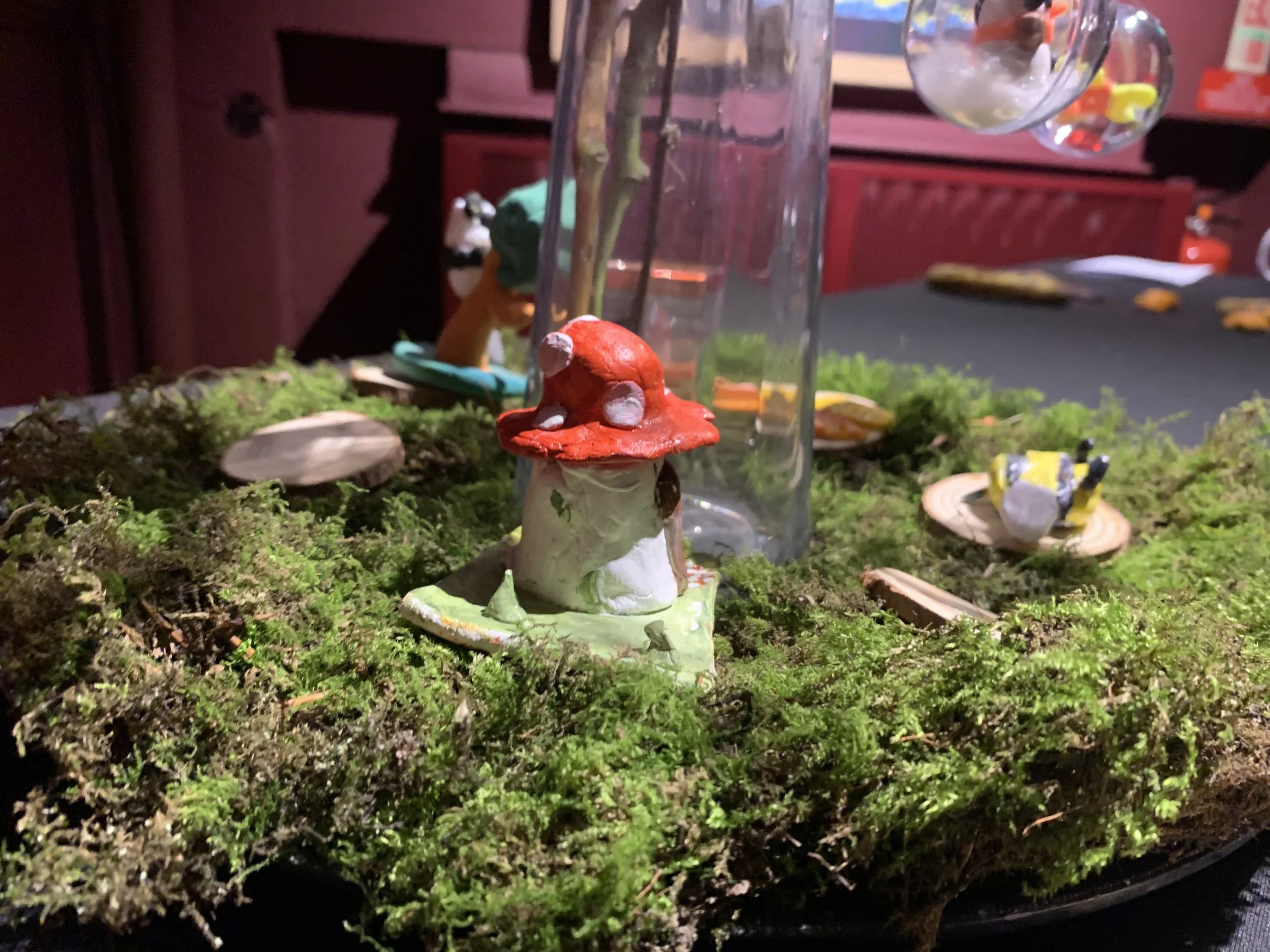
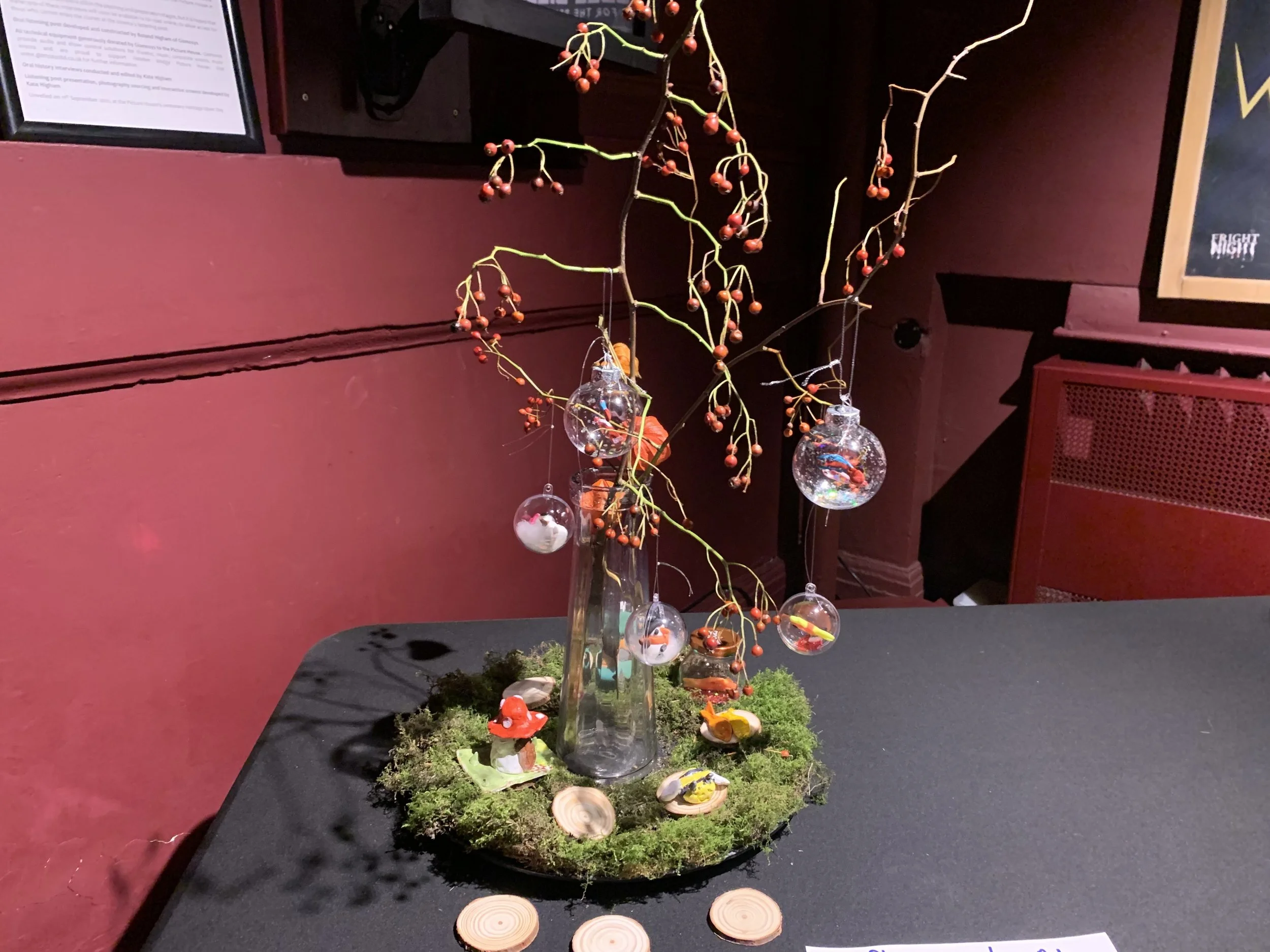
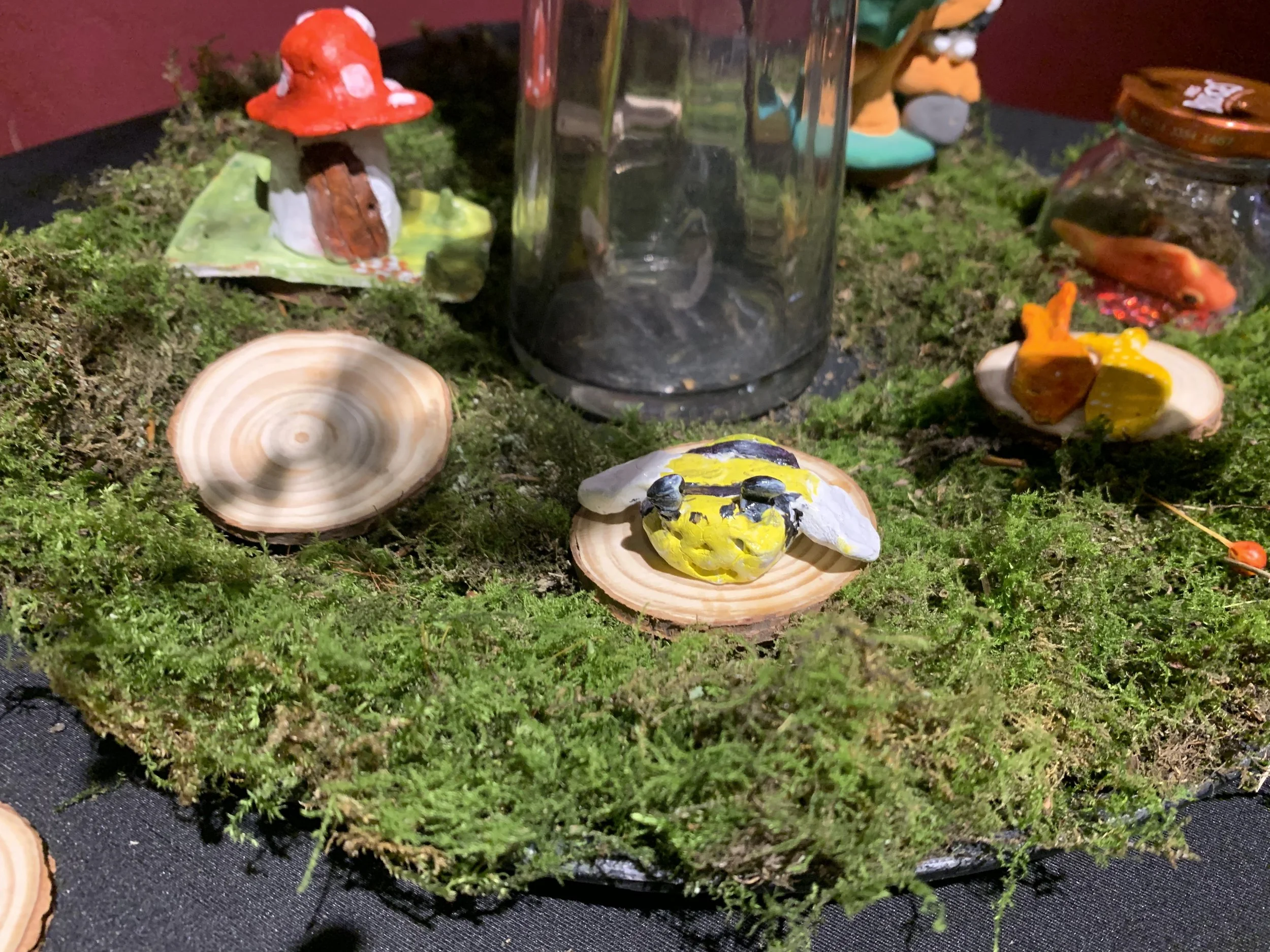
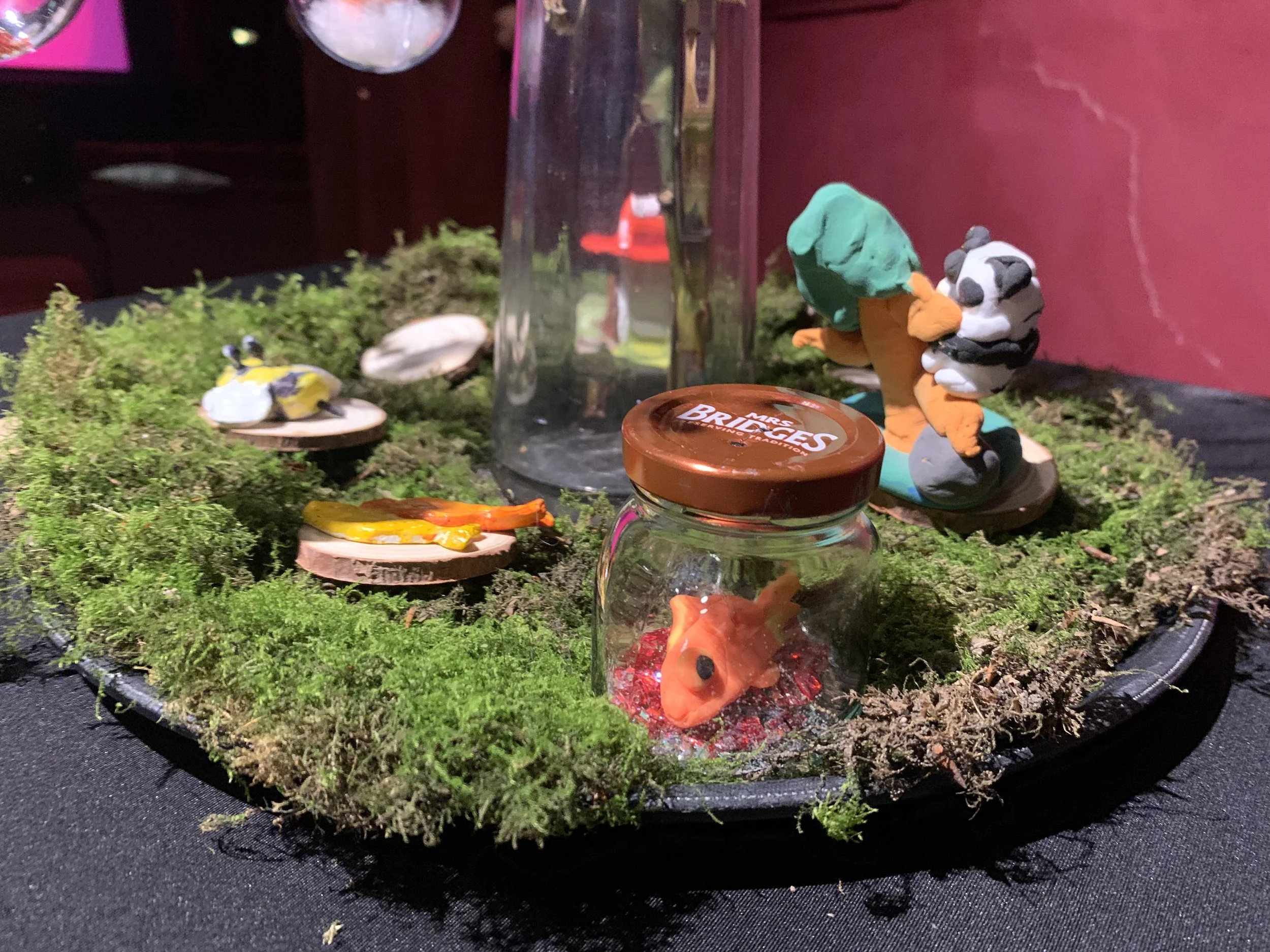
Quiet Crafting By George and Helen
When making these intricately crafted objects, George and Helen work side-by-side, sometimes offering each other gentle guidance and encouragement. Yet the process remains quiet, peaceful: each of them are creatively in their own worlds, but always together, tethered by a shared concentration.
Helen feels protective of George’s work, as a proud mother, she sees how delicately and tenderly he crafts his ideas: she is anxious that his objects might become broken or damaged. And although the objects themselves are fragile, the act of making them always feels calm, deliberate, focused and fruitful.
Helen describes this activity as “perfect for us”. There is no need for conversation, no expectation to fill the space with noise. The miniature artworks they create become a beautiful representation of mutual care and an artistic appreciation between mother and son.
Kiki Likes Fruit By Kiki and Saima
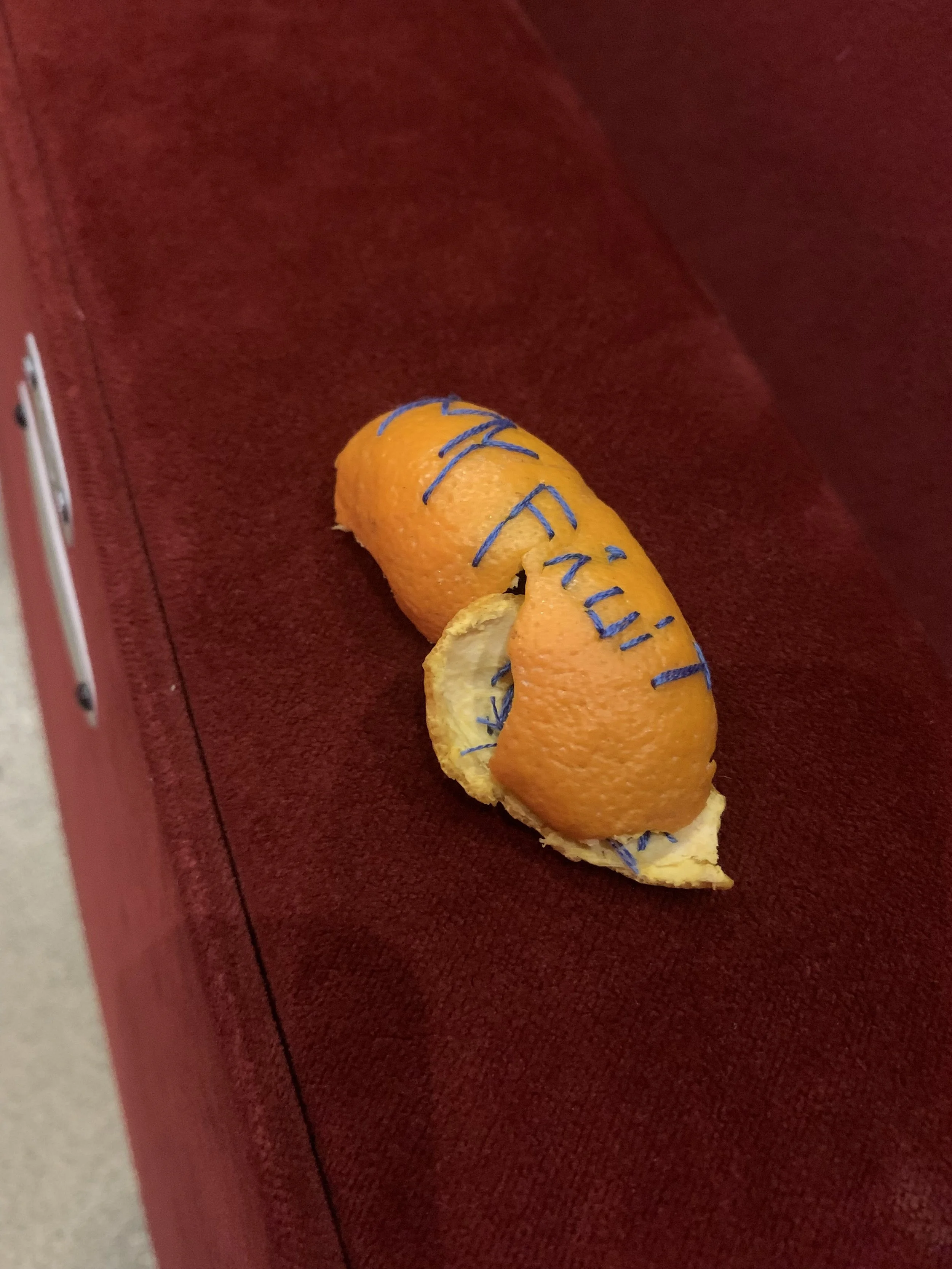
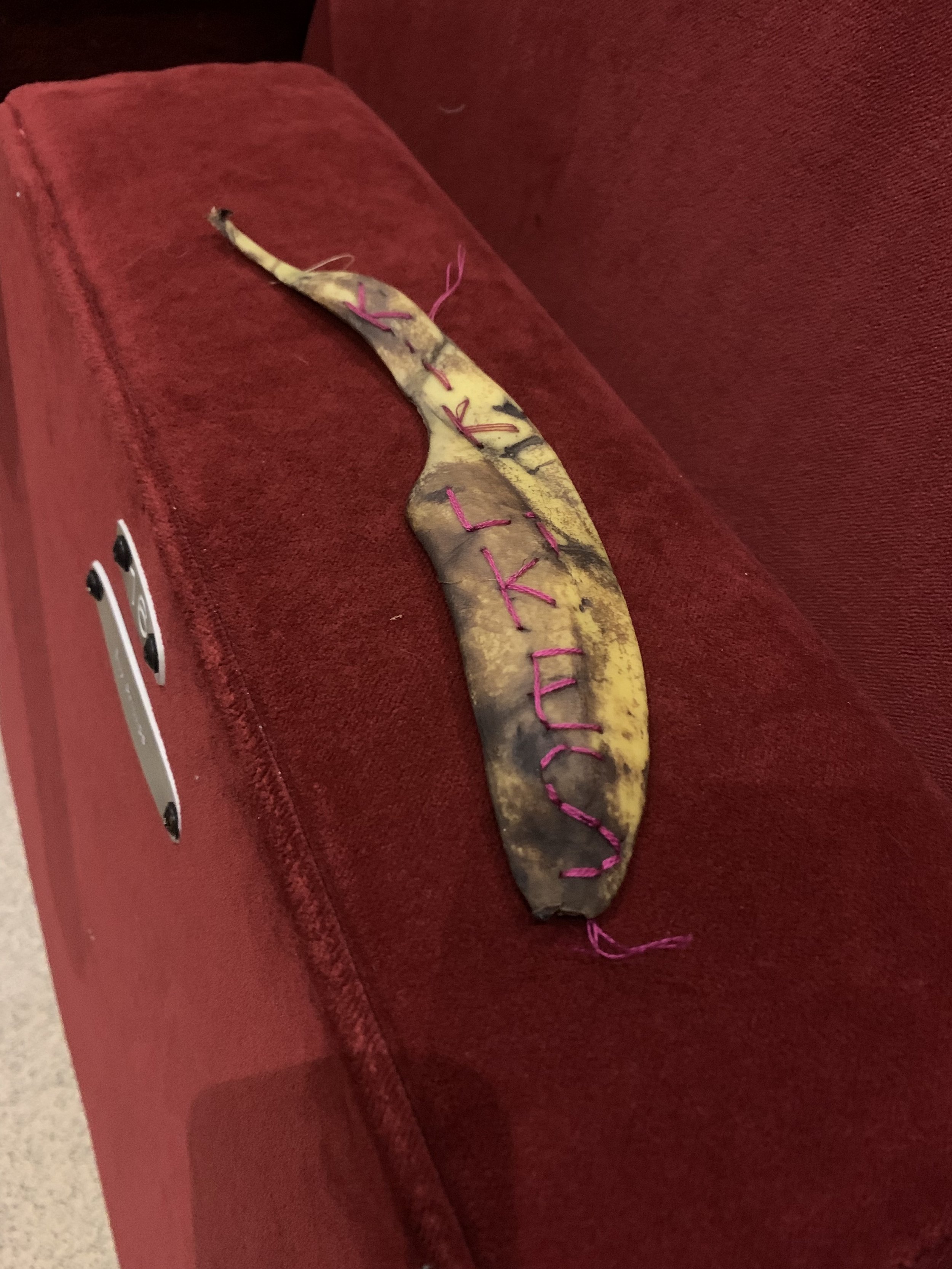
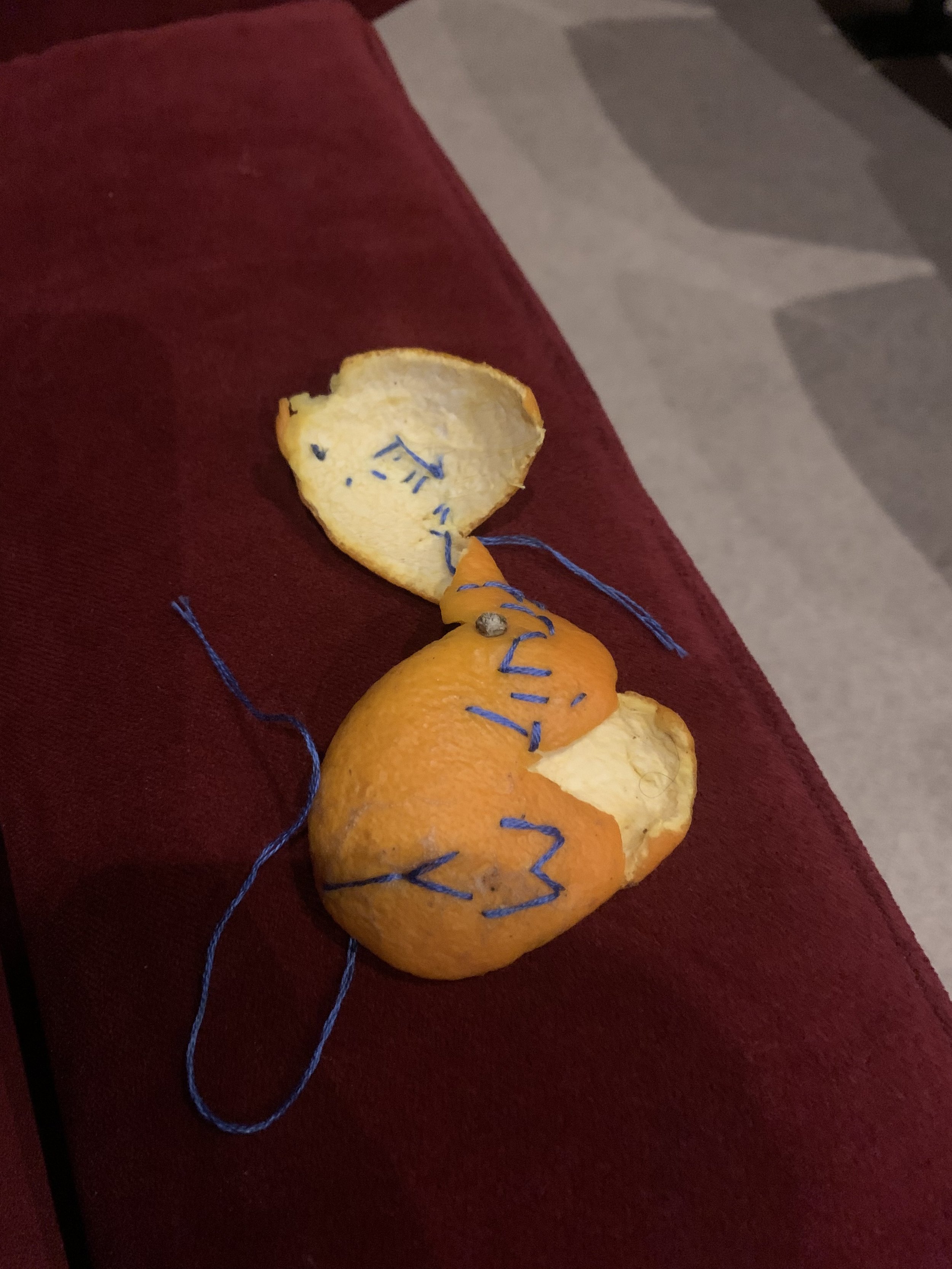
We were invited to find Kiki’s discarded fruit peel hidden around the cinema, each peel was embroidered with words which, when pieced together, revealed a poem about Kiki’s love of fruit. Saima describes how:
“There is often a mystery wrapped around non-verbal people and a fascination with their inner lives. What must they be thinking? How do they communicate with their carers and the wider world? How are they understood? These are questions I have been asked over the years by many people from all walks of life. So, this work is a simple, playful example of an aspect of Kiki's inner world. It expresses one of her strong loves and gives the viewer an opportunity to piece it together, bit by bit. It isn't intended as a statement, but as a mystery to discover, much like Kiki herself.”
Blindfolded By Dot and Sam
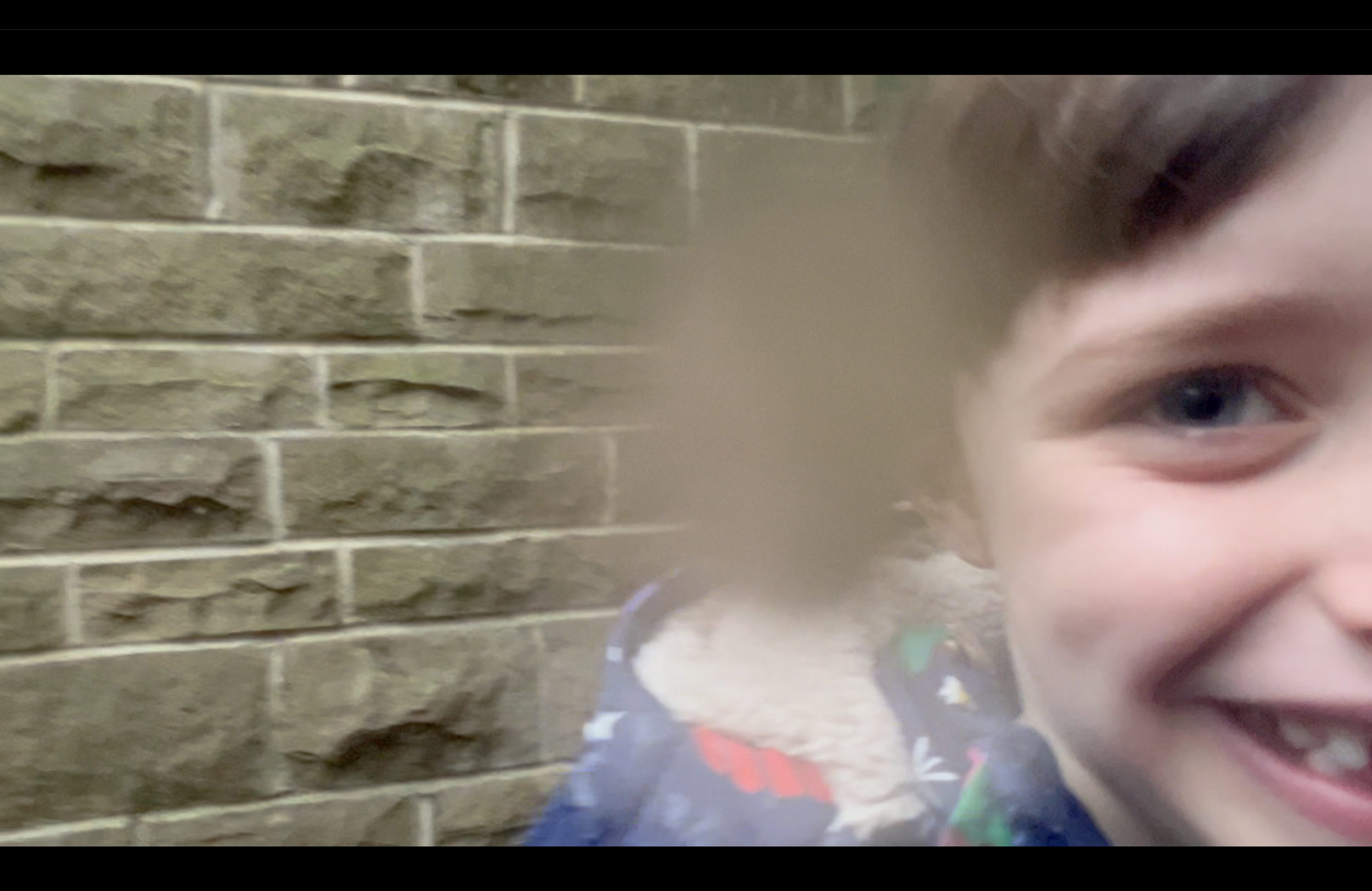
Every day on their walk to school Sam and Dot play the same game. Dot wears a blindfold and Sam gently guides her along her journey. When he says “stop”, she must guess where they are. She tunes in to the world around her - touching a wall, listening for distinctive sounds, or feeling the texture of the ground beneath her feet.
For Sam, Dot’s Dad, the game allows him to shape Dot’s environment in a way which is playful and non-threatening. For Dot, it feels familiar and safe, she has her Dad by her side and she knows no harm can come to her. This everyday ritual is a form of care and a demonstration of their bond: one of trust, of fun, and a shared understanding that the walk to school can be tricky for a child like Dot. She needs her Dad to help make it that bit easier, and he does this imaginatively and tenderly.
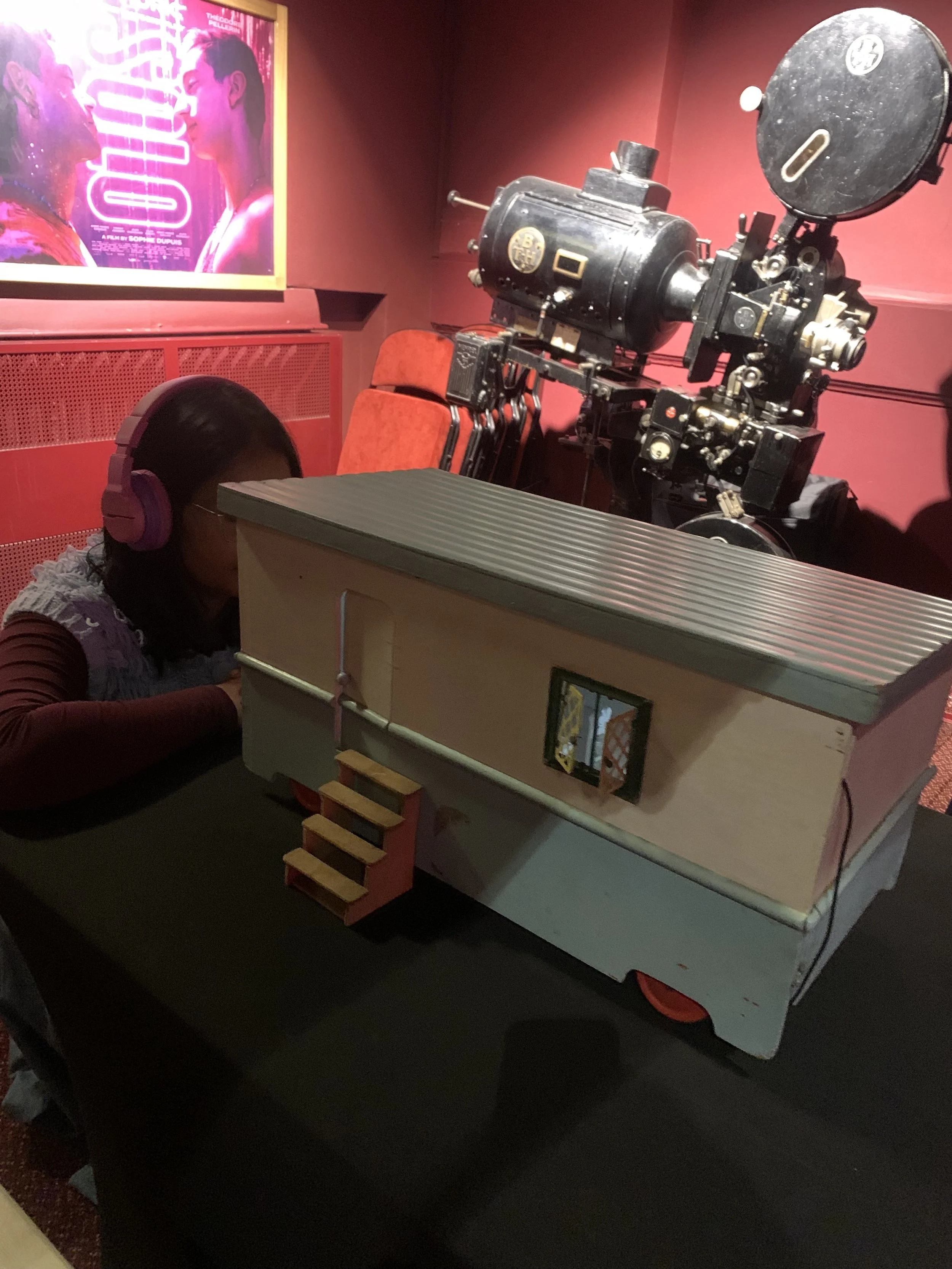
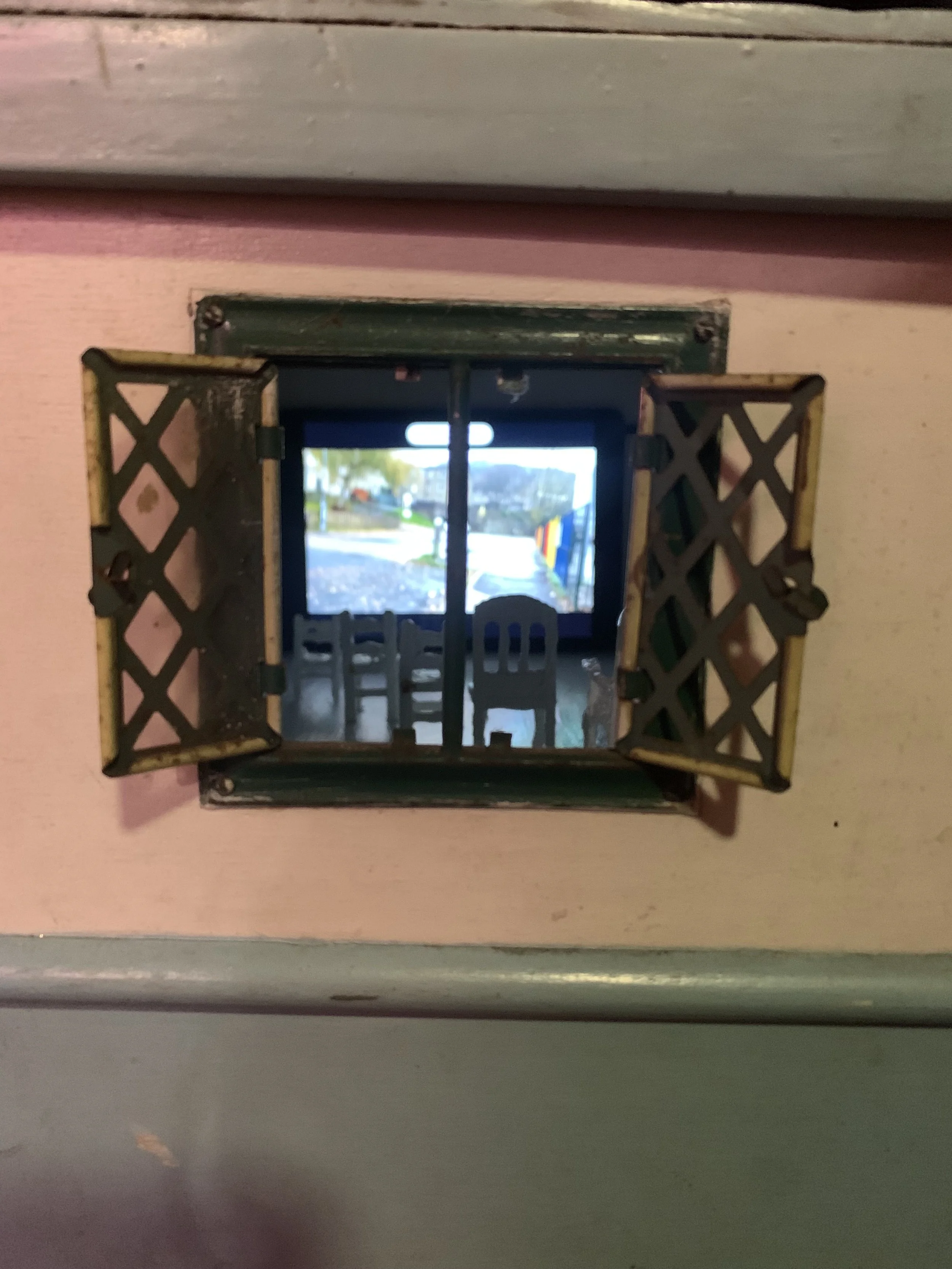
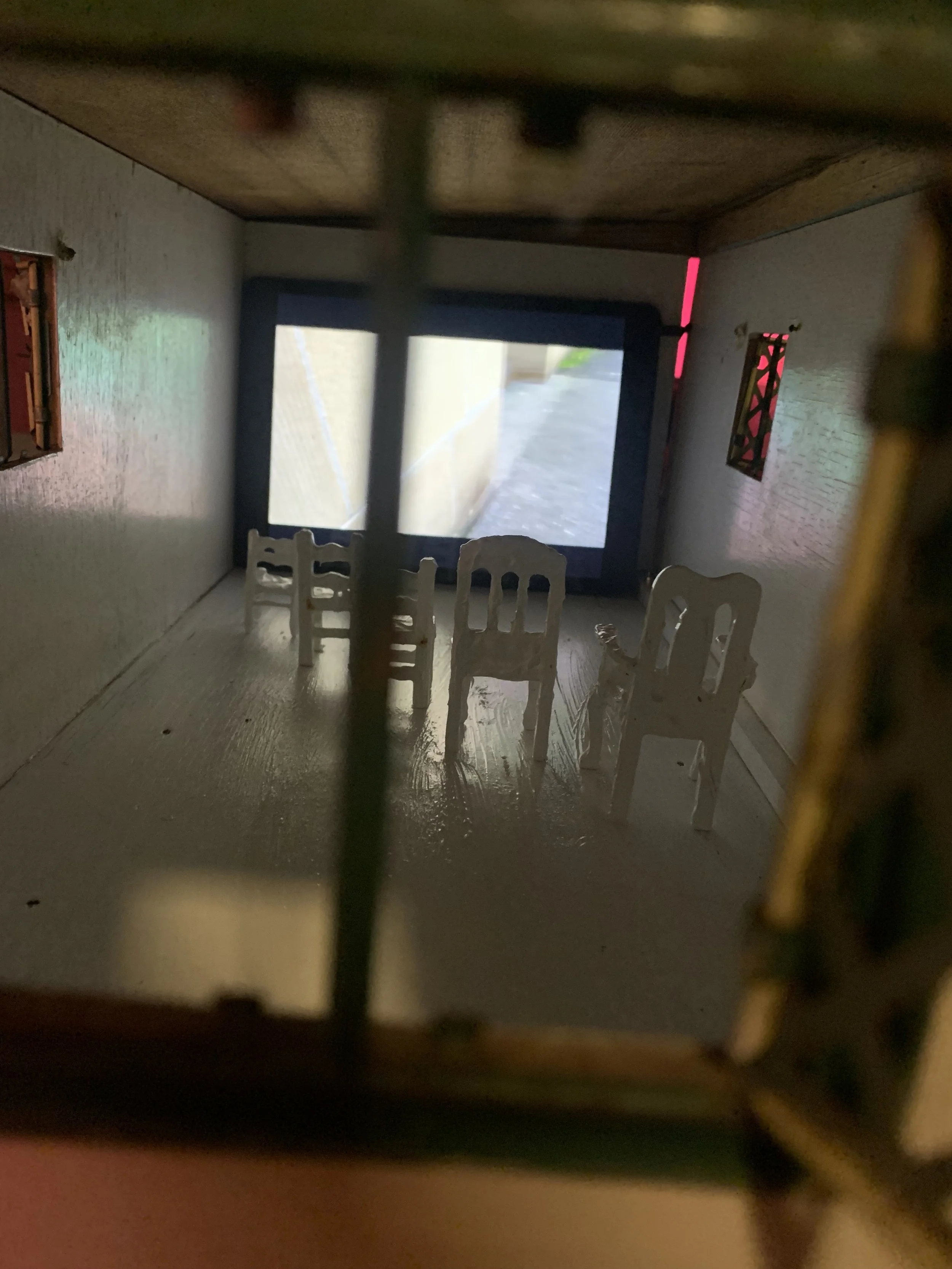
This work is experienced by watching a video of their walk to school through the window of a miniature caravan. Why? Because, for Sam, “it evokes a sense of home, a safe space, the caravan is a home outside of a home, cocooned, safe. And, Dot spotted the caravan at a local antique centre and wanted to buy it.”
Burnley Wannabe By Gus and Sheri
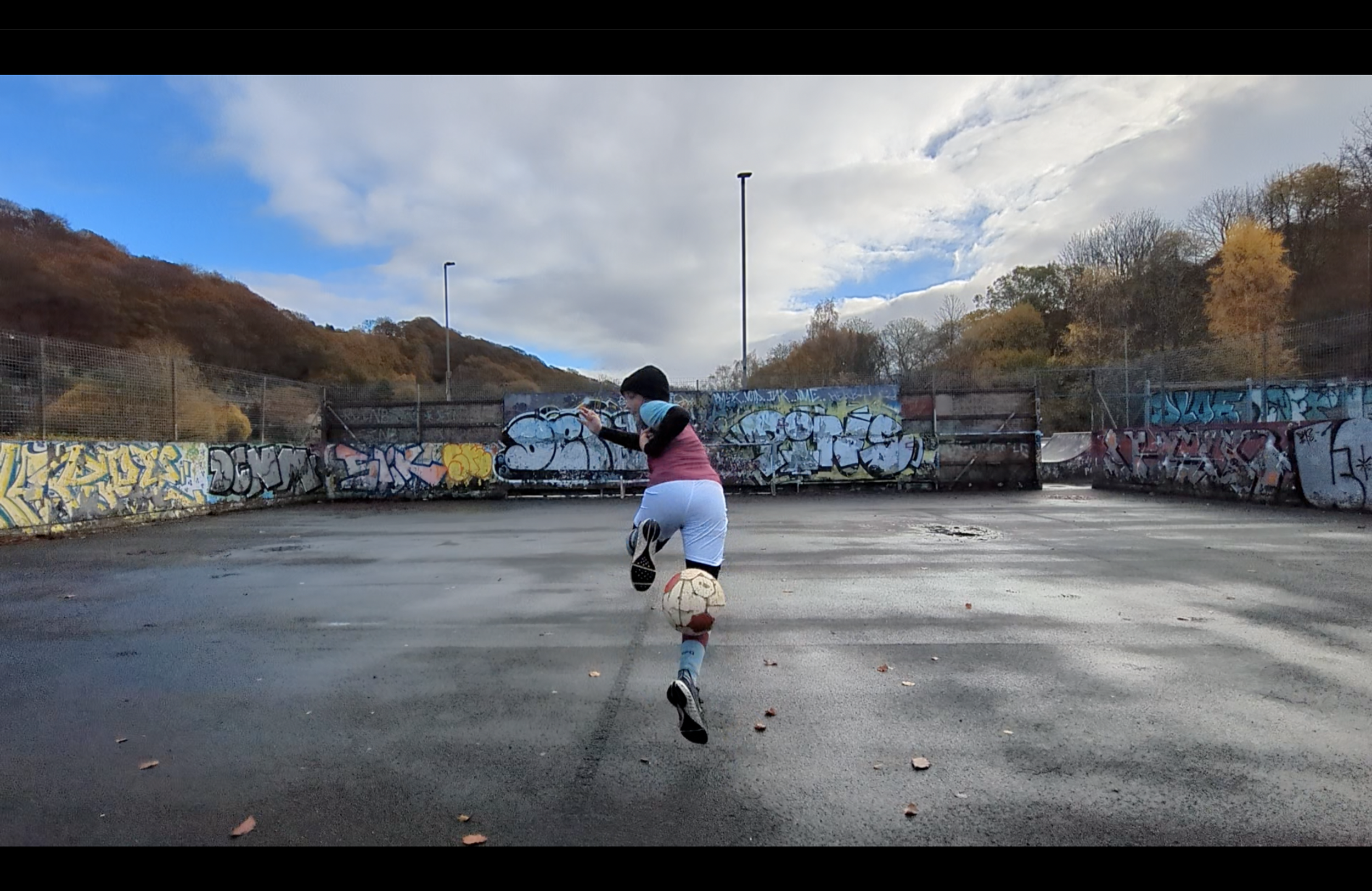
Football has become an essential part of Gus and Sheri’s daily lives, and in the film, which Fred and Sophie helped to shoot and edit, we watch Gus demonstrating his skills, and talk to us about his love of football.
Sheri observes how “playing football with Gus is a really consistent way of supporting him with his emotional and physical regulation. Talking about, or playing football can almost always guarantee a positive connection between us. He rarely turns down the offer of a “kickabout” on the street and it’s a chance for us both to be outside, being active. The physical back and forth of passing a ball between us can facilitate conversation too. Sometimes things go wrong, if he’s trying to crack a particular skill that just isn’t going the way he wants, but I am always there to co-regulate with him and try to support him through it. It doesn’t always work but more often than not, we both come back inside smiling.”
The Screaming Chicken By Flora, Felix, Jen and Simon
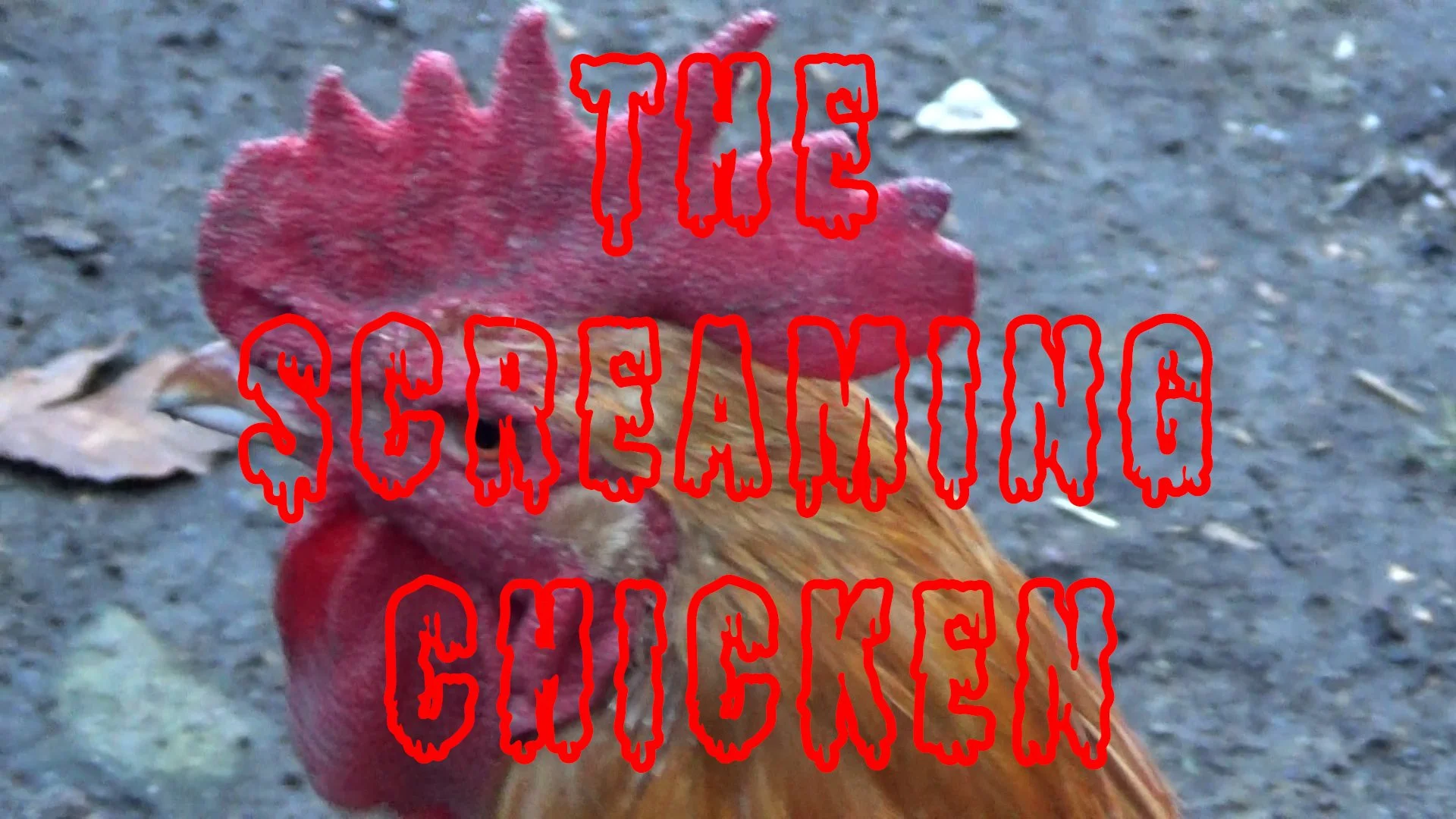
This short film was shot, edited and performed by the family. This is how they describe their work:
“The Screaming Chicken is an on-going character that is embedded in our family’s humour and local surroundings. We often create time for making things together as a family using film but it is always informal, spontaneous and child-led meeting the requests and interests of Flora and Felix at any given time. It is almost always about the process more than the product. Film becomes a way to document the creative process of our interests as a family. The way that Flora and Felix direct, shoot and edit the films speaks to how we facilitate their creativity and attempt to create an egalitarian environment for art making and family life.”
“Care is complicated, eternally incomplete, always in relation to the world in which we live and at times it is really funny and a privilege. Care is often everything all at once.”